PERFORMANCE INTELLIGENCE
The high Performance Files
Newman HP builds individualized performance systems for professional athletes, executives, teams, and rising competitors. Whether you need a full-service program, a course, or a free tool to start, there's a path here for you.

How to Measure Hydration and Build a Plan Around the Athlete
Learn how to measure sweat loss, calculate sweat rate, and build a more precise hydration plan for athletes.
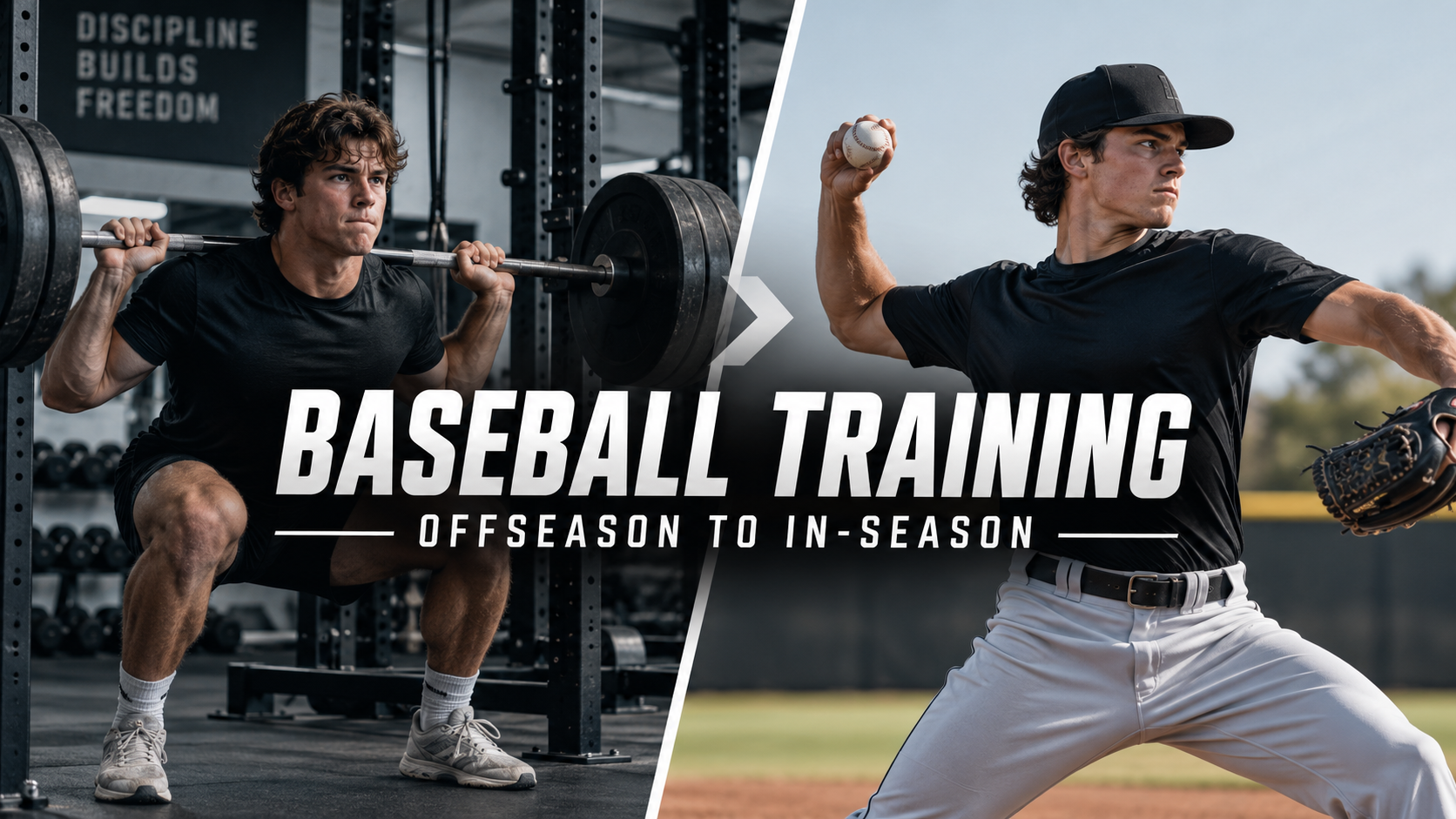
Baseball Training From Offseason to In-Season: What to Build, Maintain, and Prioritize
How baseball training priorities shift from the offseason into competition.
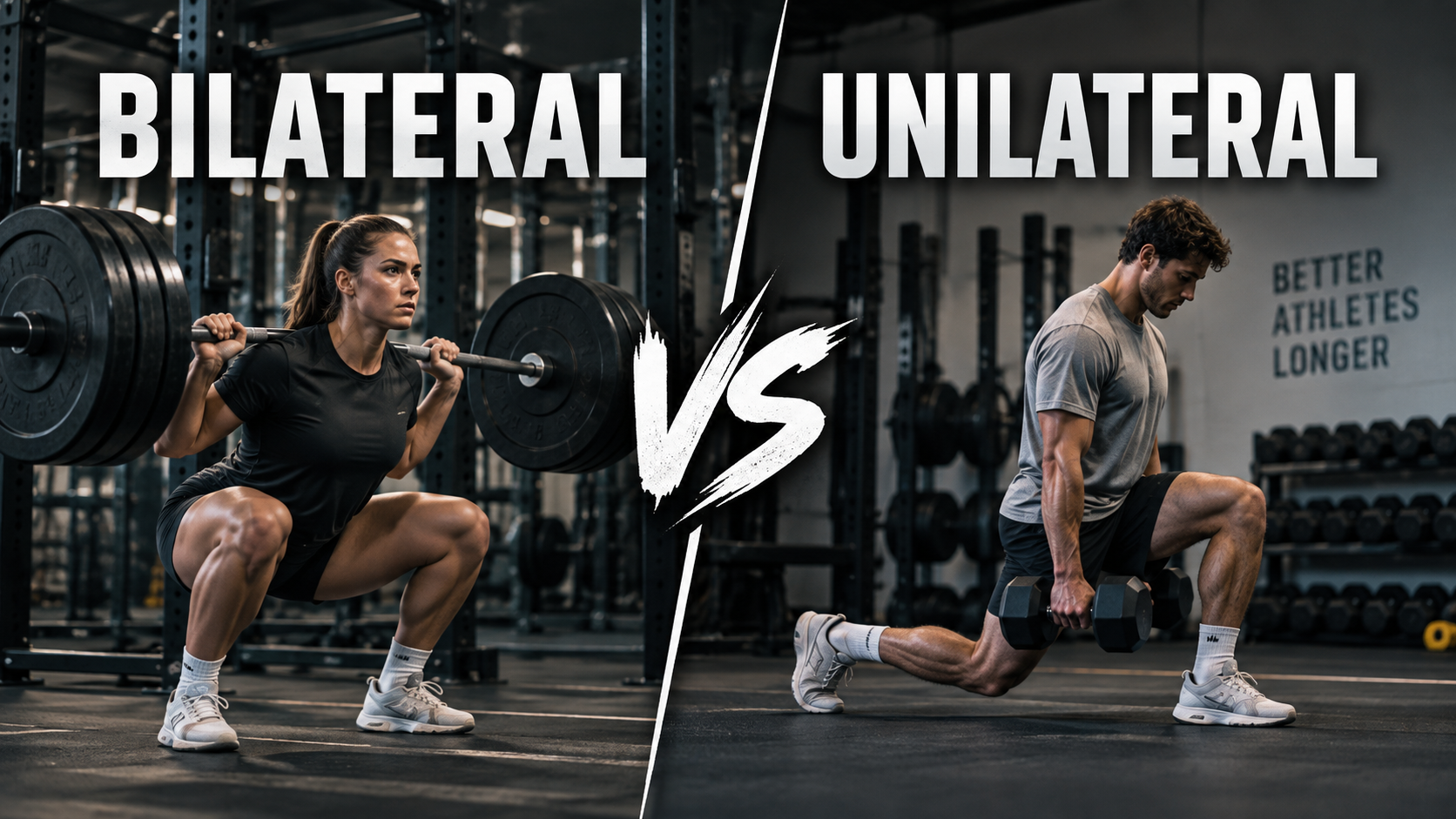
Revisiting The False Binary: Unilateral vs. Bilateral Training Is Still the Wrong Question
Unilateral and bilateral training are not competing philosophies. They are different tools that create different demands. The better choice depends on the athlete, the adaptation being targeted, and stage of development.
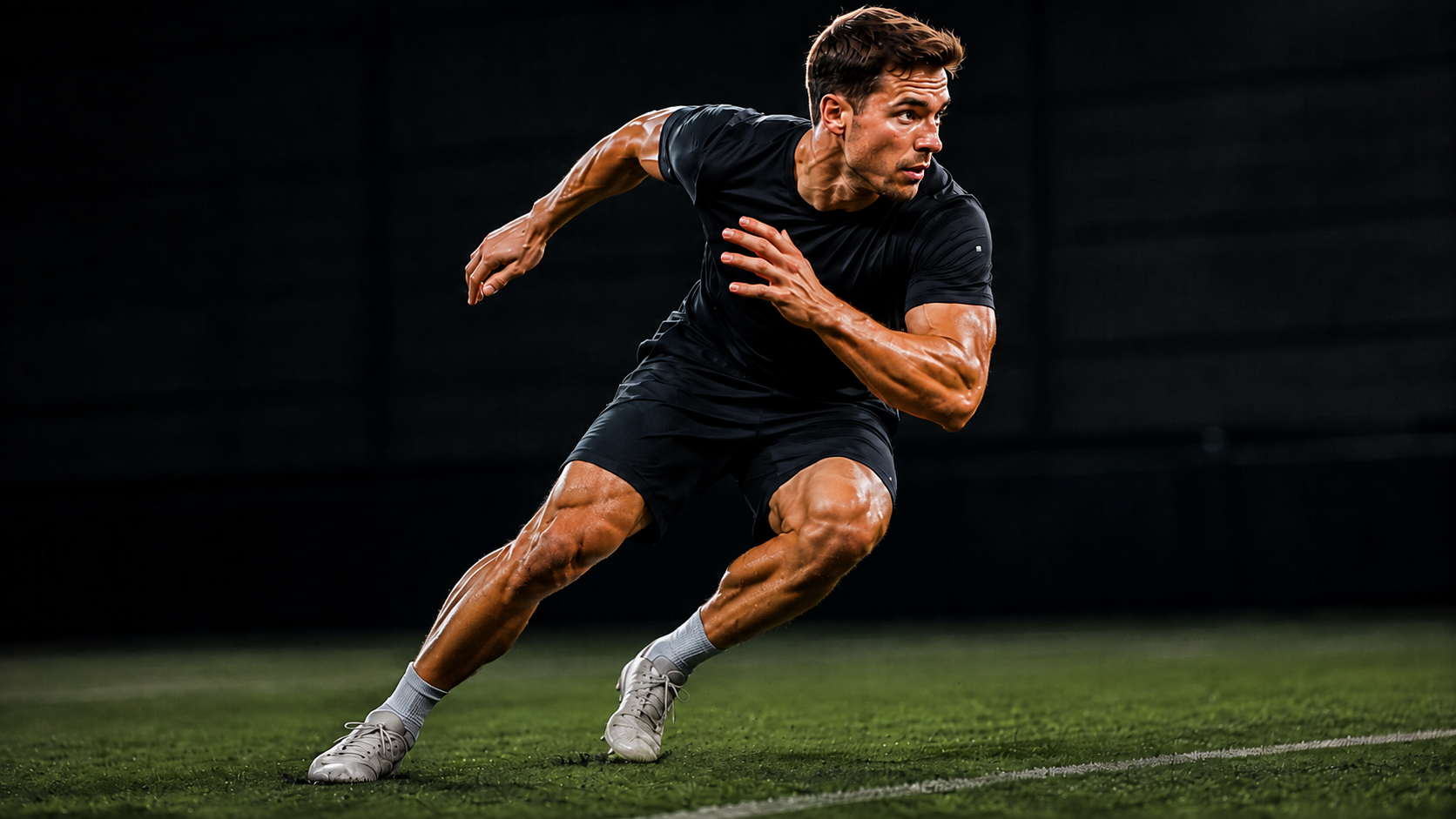
Every Change of Direction Starts With a Brake
Every change of direction starts with a brake. This article breaks down why deceleration matters, how strength supports it, and how athletes can build better control at higher speeds.

The Farmer’s Carry Standard for UCL Protection
The 100-foot farmer’s carry standard gives pitchers a clear strength benchmark for building the forearm capacity that helps support the UCL.
Is There a Neurological Block on Training Adaptation? The Questions SF1 Research Raises for Strength Coaches
New research on SF1 neurons suggests the brain may play a larger role in training adaptation than previously understood. For strength coaches, it raises an important question: what happens when the work is completed, but the expected adaptation never follows?
The 2.5 × Metabolic Ceiling: What Thermodynamics Says About the Limits of Training Volume
Training capacity is finite. The 2.5× metabolic ceiling offers a useful framework for managing volume, recovery, and long-term performance.
The Programs That Built Me: A Strength Coach's Field Guide to the Greatest Training Systems Ever Written
These are the tried-and-true programs that helped shape me as a strength coach. I keep coming back to them because they work, they hold up over time, and they still influence how I program today.

What Mental Fatigue Costs an Athlete
Mental fatigue can affect decision-making, response speed, technical execution, and the ability to sustain performance. For high-performance organizations, that makes the total load placed on athletes and professionals worth managing just as deliberately as physical training.

For the Pros, Physical Talent Is the Price of Admission
At the highest levels of sport, being physically gifted is often just the starting point. What can separate elite performers is how well they read what is happening, anticipate what comes next, and make the right decision under pressure. This article looks at what we actually know about cognitive performance in athletes, how it can be measured, what may be trainable, and where the science is still catching up.

The Next Step in Executive Health
Executive health testing can provide a valuable picture of where you are today, but the real opportunity begins with what comes next. This article explores how to turn blood work, body-composition data, fitness testing, and sleep information into clear priorities, a practical plan, and meaningful progress over time.

Are You Getting Better Faster Than the AI Is?
AI can now build a solid training program in under a minute. The real value of an elite coach is knowing when that program is wrong, what the athlete is not saying, and how to turn medical input, data, observation, and experience into the right decision.
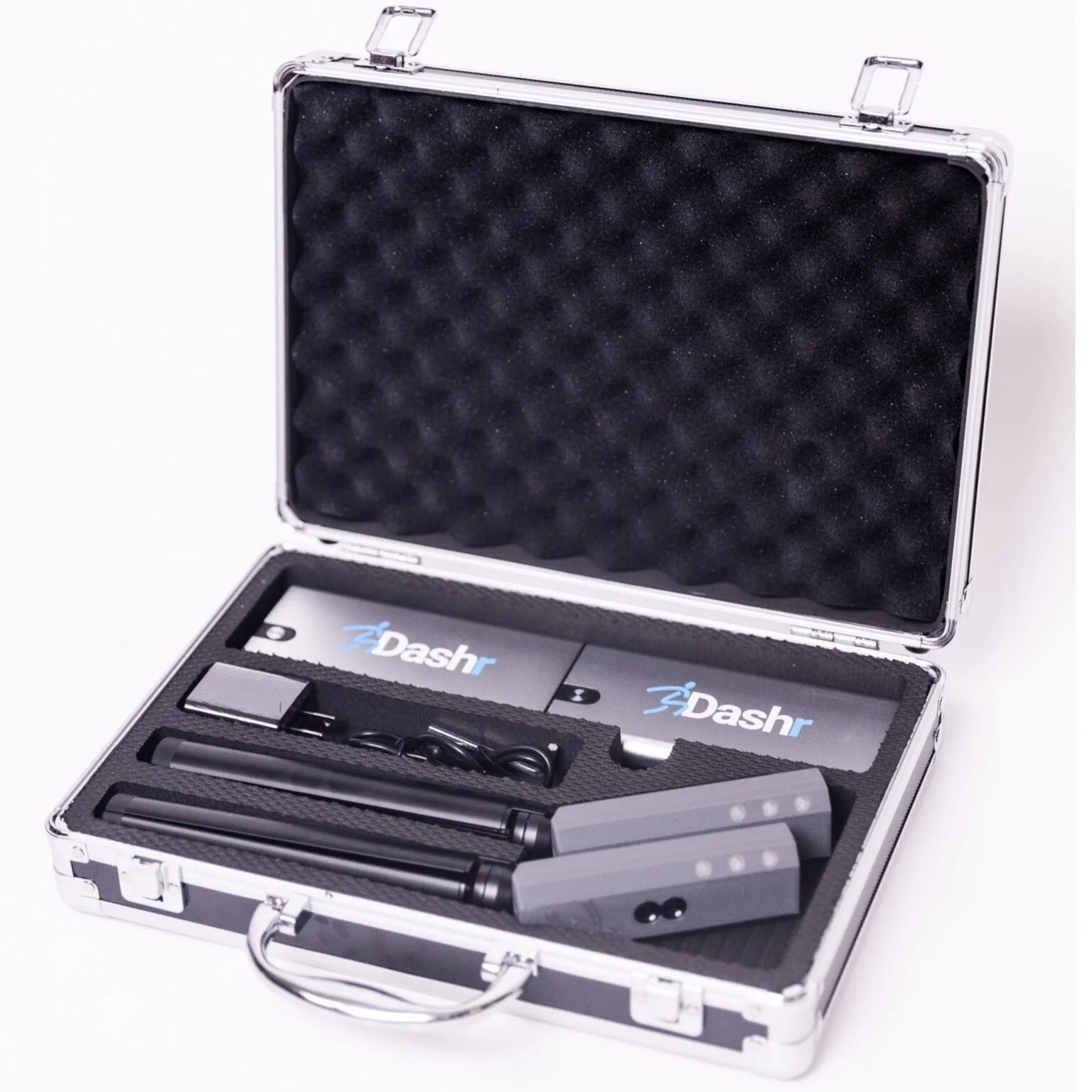
How Better Athlete Testing Builds Better Training with Dashr Systems’ Chase Pfeifer
We sit down with Dashr Systems founder Chase Pfeifer to discuss the innovations Dashr brings to speed and performance testing, what good testing should look like, and how coaches can use reliable data to make better training decisions.
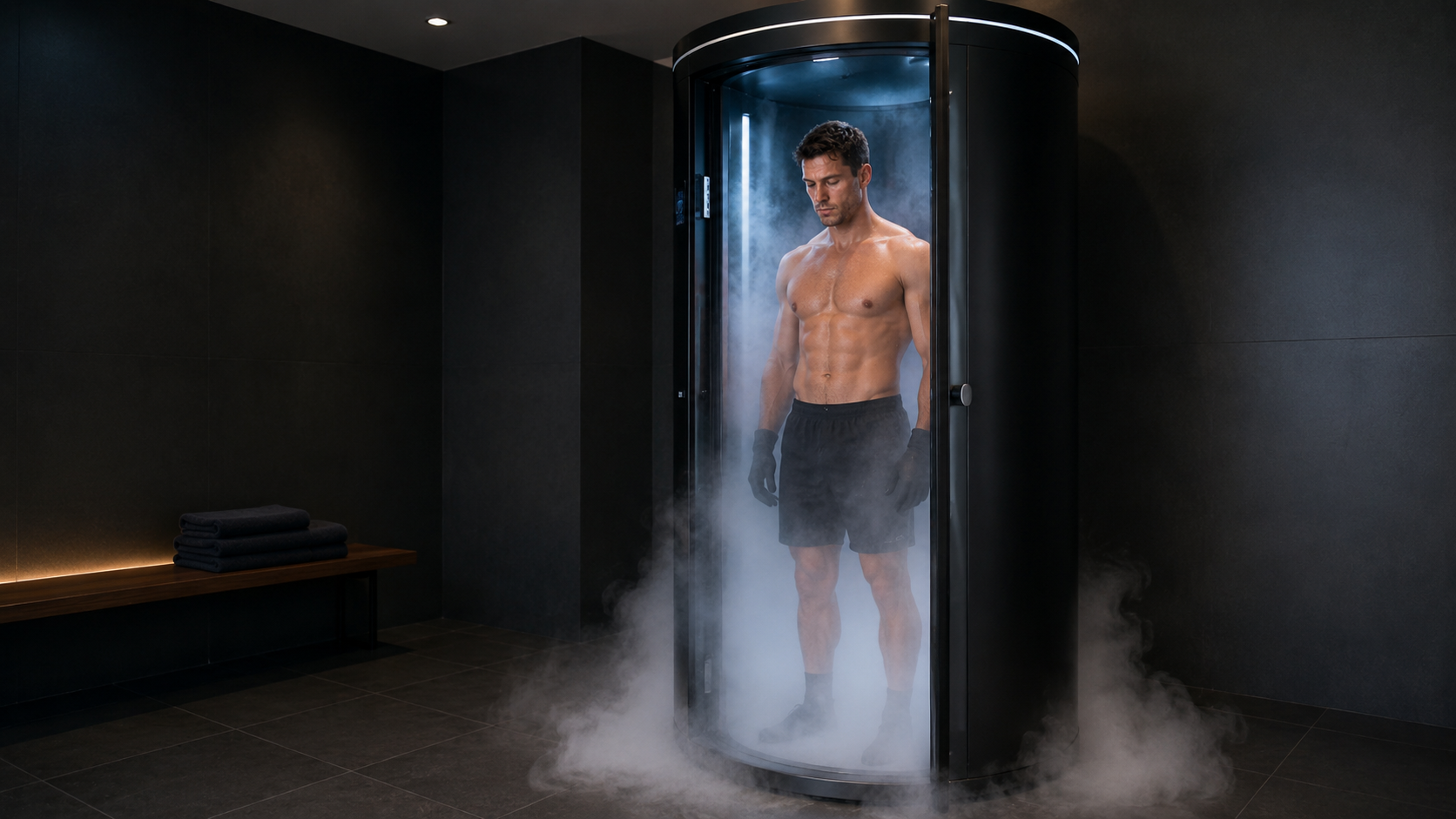
Matching the Right Recovery Tool to the Type of Fatigue
Recovery works best when it matches the type of fatigue an athlete is dealing with. This framework breaks recovery into four categories and explains how to choose the right tools for each one.
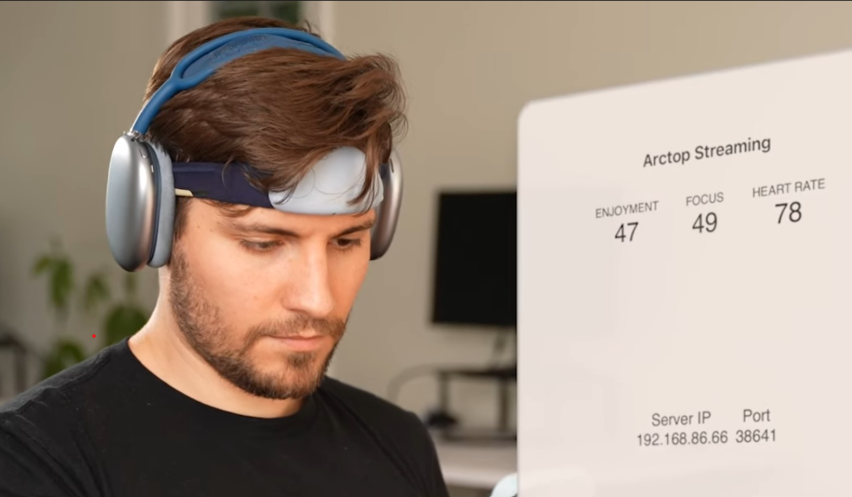
Individualizing Cognitive Performance Training Through Neurotechnology With Arctop’s Dan Furman
Dan Furman of Arctop explains why cognitive performance training must be individualized and how neurotechnology can help measure focus, stress, recovery, and mental readiness. The conversation explores how better brain data could support more precise and responsible performance training.
James Geering and the Weight First Responders Carry
After nearly a thousand conversations with first responders, clinicians, and high performers, James Geering has learned that resilience is about more than toughness. It also requires honest conversations, better recovery, strong leadership, and a culture where people do not have to carry everything alone.
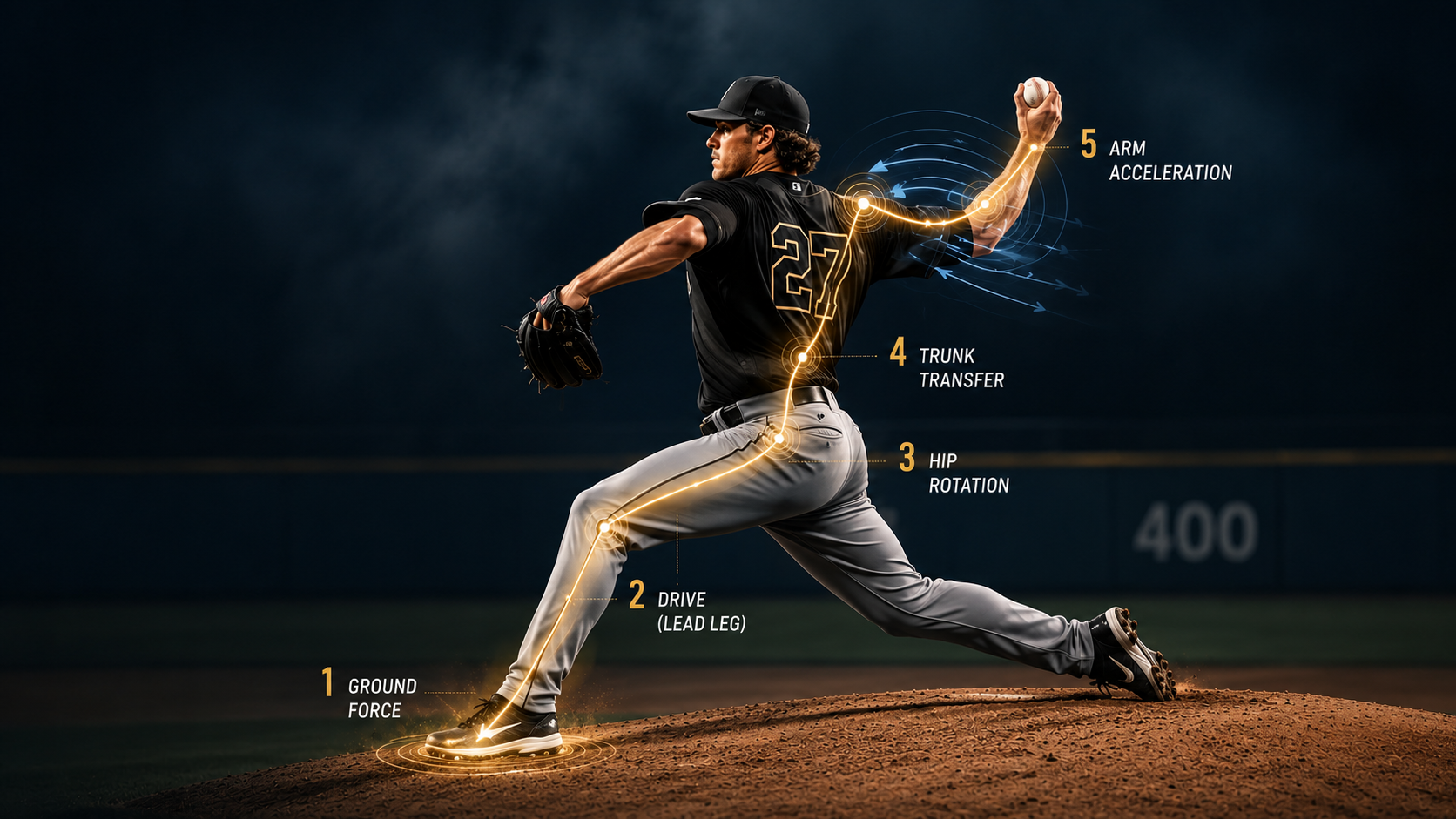
The Shoulder Is the Last Link in the Chain
Arm care is often treated as a shoulder problem, but pitching is a whole-body movement. This article explains how the lower body, trunk, workload, recovery, and deceleration all shape a pitcher’s ability to stay healthy and throw effectively.

Understanding Athletic Identity in Coaching
This podcast explores how athletic identity can drive performance, but when it becomes tied to self-worth, it can work against the athlete. Learn what coaches need to understand about supporting the person behind the performance.
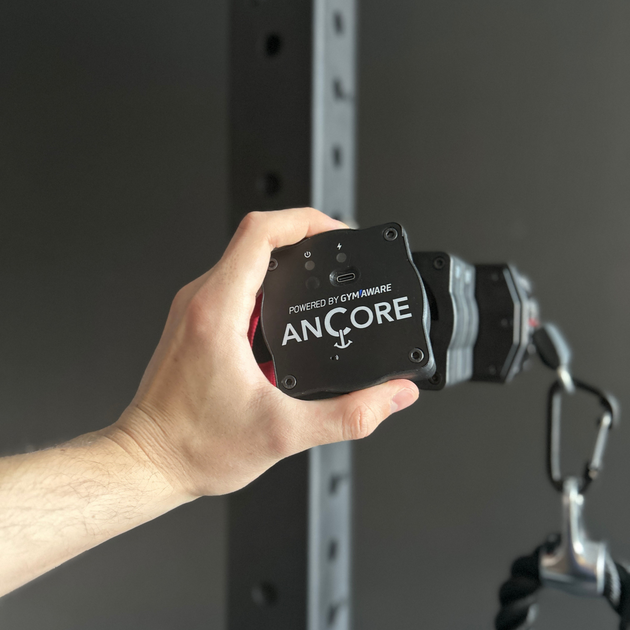
The Ancore Story
Isaac Lewis shares the story behind Anchor, a portable cable machine built by challenging the way resistance training equipment has always been designed. From torsion springs and endless prototypes to launching through COVID and learning directly from customers. This is a story about innovation, persistence, and building a better solution.