
James Geering and the Weight First Responders Carry
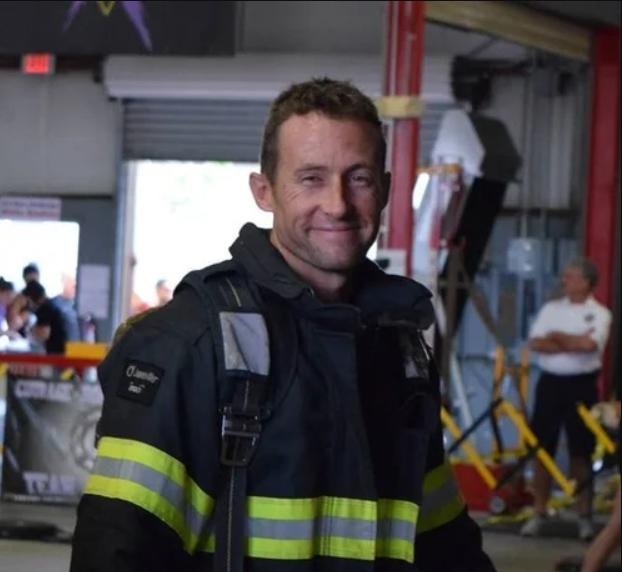
Click the Image to Listen to the Podcast with James Geering!
James Geering did not set out to become a leading voice in first-responder health. His path began in rural England, continued through the fire service, and eventually led to Behind the Shield, a podcast built around honest conversations with firefighters, veterans, clinicians, coaches, and people working in other high-stakes environments. After nearly a thousand episodes, Geering has heard an extraordinary range of perspectives on trauma, leadership, physical preparation, mental health, and the culture of the fire service. On this podcast, the conversation centered on what those stories have taught him about resilience and the systems that either strengthen or undermine it.
Resilience Is Not Silence
One of the clearest lessons from Geering’s work is that resilience should not be confused with staying quiet. First responders have often worked in environments where admitting difficulty could be interpreted as weakness, even when their reactions were entirely normal responses to extreme circumstances. That culture is beginning to change, but Geering believes there is still work to be done. Trauma can create physiological and psychological effects that have little to do with toughness, character, or a person’s ability to perform the job. Understanding that distinction can reduce stigma and make it easier for someone to seek support before the problem becomes more severe. Bravery may mean entering a dangerous situation, but it can also mean being honest about what that experience has done to you.
The Cost of Poor Sleep
The conversation also highlights how closely mental and physical health are connected. Firefighters may be expected to make critical decisions, perform demanding physical tasks, and remain calm under pressure while working irregular hours and operating with limited sleep. Chronic sleep disruption can affect recovery, judgment, mood, physical performance, and long-term health. Physical fitness remains essential, but training alone cannot erase the effects of consistently poor recovery. A healthier fire-service culture must treat sleep, wellness, and mental health as part of operational readiness rather than personal concerns that each firefighter is expected to manage alone.
Listening Is a Leadership Skill
Geering’s experience also carries an important lesson for coaches and leaders: listening is a skill, not a passive act. Effective leadership does not require having an immediate answer for every problem. It requires asking better questions, understanding what someone is actually saying, and recognizing when another professional may be better equipped to help. Through hundreds of conversations, Geering has learned to pull useful ideas from different experts without assuming that any one person holds the complete answer. Coaches and leaders can take the same approach by staying curious, adapting their communication, and building enough trust for people to speak honestly.
Building a Stronger Culture
Resilience does not mean lowering standards or removing accountability. It means creating systems that help people meet the demands of the job without unnecessarily damaging their health. Better training, clearer physical standards, stronger leadership, improved recovery practices, and earlier access to support can all exist together. Geering’s work continues through new books, television projects, and ongoing conversations that aim to show the realities of first-responder life. His message is not that hardship can be eliminated. It is that healthier cultures can prepare people for it, support them through it, and help them come through it without losing their humanity.
Click Here to Listen to the Podcast With James Geering!
